In the fast-paced world of 2026, major life failures rarely happen overnight. We often imagine a “big crash” or a single, dramatic mistake. However, the reality is much quieter. Most people experience the slow fade. This is a process of tiny, daily compromises that eventually lead to a life you no longer recognize. It is not a sudden explosion. Instead, it is the gradual erosion of your standards, your health, and your joy. If you are not careful, these subtle habits will ruin your life before you even notice they have started.
The Erosion of Micro-Discipline
The slow fade often begins with your daily routine. It starts when you decide to hit “snooze” just one more time. You tell yourself that five minutes of extra sleep won’t hurt. However, this small act signals to your brain that your goals are secondary to your comfort. Consequently, you begin to skip other small habits. You stop making your bed. You stop prepping your meals. You stop reading for ten minutes before sleep.
Individually, these choices seem harmless. Therefore, you do not feel the weight of them in the moment. But these “micro-failures” accumulate. They create a momentum of mediocrity. Over a year, the person who skips the gym once a week becomes the person who never goes at all. This is the essence of the slow fade. You do not wake up one day and decide to be unhealthy. You simply stop deciding to be healthy, one small choice at a time.
The Feedback Loop of Passive Consumption
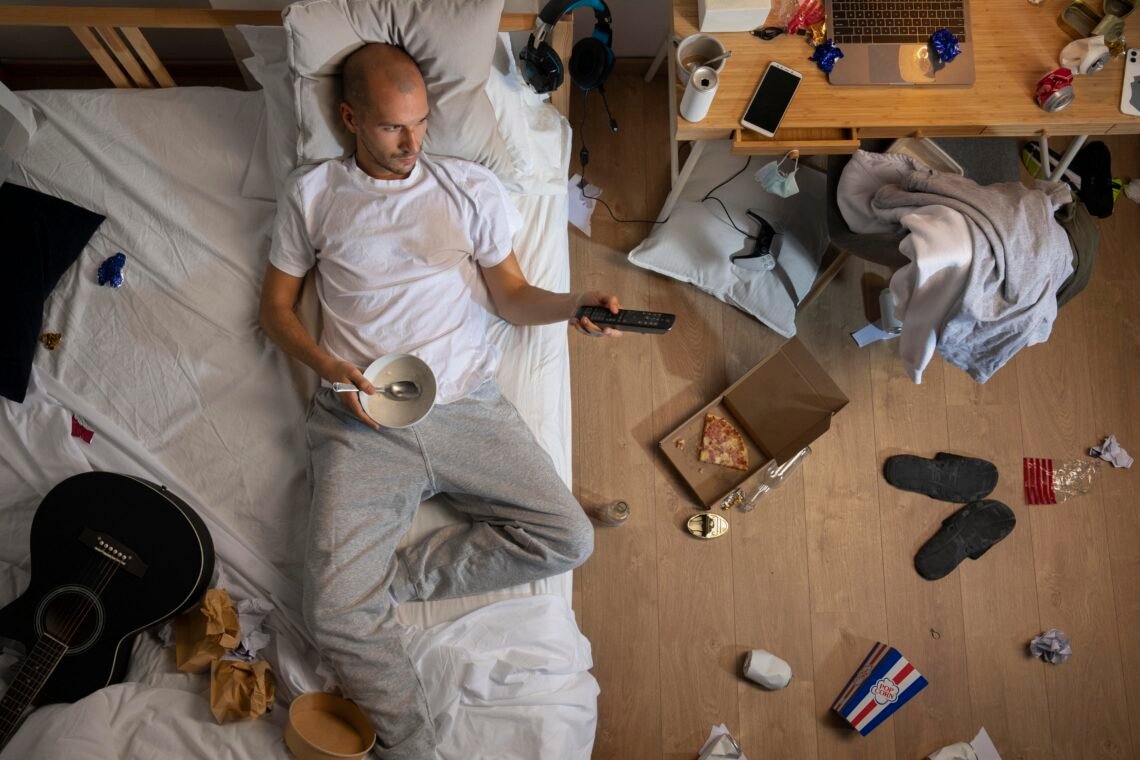
Another subtle way we ruin our lives is through passive consumption. In 2026, digital platforms are designed to keep us in a “Feedback Loop Prison.” We spend hours scrolling through the lives of others. We watch “The Rise of Emotional Content” and soak in the sadness or success of strangers. Consequently, we stop being the protagonists of our own stories. We become spectators in a digital gallery.
This habit erodes our ability to focus. It also kills our “The Quality of Silence.” When we fill every gap in our day with a screen, we lose the ability to think deeply. We become reactive instead of proactive. Therefore, we lose our “Secret Passions” because we are too busy consuming the passions of others. If your primary activity is watching other people live, you are slowly fading out of your own existence.
The Danger of “Comfortable” Relationships
The slow fade also affects our connections. We often stay in relationships or jobs that are “fine” but not fulfilling. This is the “Comfort Crisis” of the soul. We avoid the friction of a difficult conversation or a career change. We tell ourselves that things aren’t “that bad.” However, “not that bad” is the enemy of a great life.
When you settle for comfort over growth, you begin to resent your surroundings. This resentment acts like a slow-acting poison. You stop trying to surprise your partner. You stop seeking “The Improvisation Advantage” at work. Consequently, you wake up ten years later feeling trapped. You didn’t leave because it wasn’t painful enough to force a move. This is the most dangerous part of the slow fade. It feels safe until it is too late to change.
How to Stop the Fade
To stop the fade, you must practice radical self-awareness. You must treat your life like a “Boardroom” that requires constant auditing. You cannot wait for a crisis to change your direction.
- Audit Your Micro-Choices: Pick one small habit you have let slide. Commit to doing it perfectly for seven days. This resets your “internal compass.”
- Practice Digital Fasting: Reclaim your “Quality of Silence.” Spend one hour a day without any input from a screen. This allows your own voice to return.
- Seek Useful Hardship: Intentionally do things that are “Cold, Tired, and Scared.” This breaks the cycle of soul-crushing comfort.
- Apply the 1% Rule: Instead of a total life overhaul, focus on being 1% better today than yesterday. Small wins stop the negative momentum of the fade.
Your life is the sum of your smallest actions. Do not let the quiet compromises steal your future. In 2026, the only way to stay vibrant is to fight the urge to fade. Wake up, pay attention, and reclaim the “The Sonder Solution” of your own complex, beautiful life.