

Does your office feel like a cage or a catalyst? Many professionals struggle with mental blocks because their environment lacks a proper creative workspace design. Your physical surroundings dictate your neurological state. If your room is cluttered, your mind follows suit.
The “Architecture of Focus” isn’t just a fancy phrase. It is a systematic way to build an environment that triggers flow states. By using specific design principles, you can essentially “force” your brain to enter a state of deep work and high-level creativity.
Why Your Current Setup Kills Concentration
Most people work in spaces designed for utility, not psychology. A desk and a chair are not enough. Without a deliberate creative workspace design, you face constant visual “noise.” This noise drains your cognitive energy before you even start your first task.
The Core Pillars of Creative Workspace Design
To build a room that fuels the imagination, you must address the senses. Design is not just about how a room looks; it is about how the room makes you move and think.
1. The Power of “Prospect and Refuge”
Humans feel most creative when they feel secure yet can see the horizon. This is a biological trait. Place your desk where you have a clear view of the door but also a glimpse of the outdoors. This balance reduces anxiety and opens the mind to new ideas.
2. Lighting for Neural Clarity
Natural light is the ultimate tool for creative workspace design. Research shows that blue-enriched light improves alertness and mood. However, for deep “divergent” thinking, warmer, dimmer lights are often better.
How to Layout Your Creative Sanctuary
Layout is the “software” of your room. It dictates the flow of your movement. If you have to fight your furniture to get to your tools, you are losing the battle for focus.
| Element | Purpose | Impact on Creativity |
| Zoning | Separate “Admin” from “Creation” | Prevents task-switching fatigue |
| Vertical Space | Use walls for brainstorming | Encourages “big picture” thinking |
| Greenery | Introduce indoor plants | Reduces stress by up to 15% |
Using Color and Texture to Trigger Flow
Color psychology plays a massive role in how we process information. While white walls look clean, they can feel clinical and cold.
- Blue : Promotes calm and communication
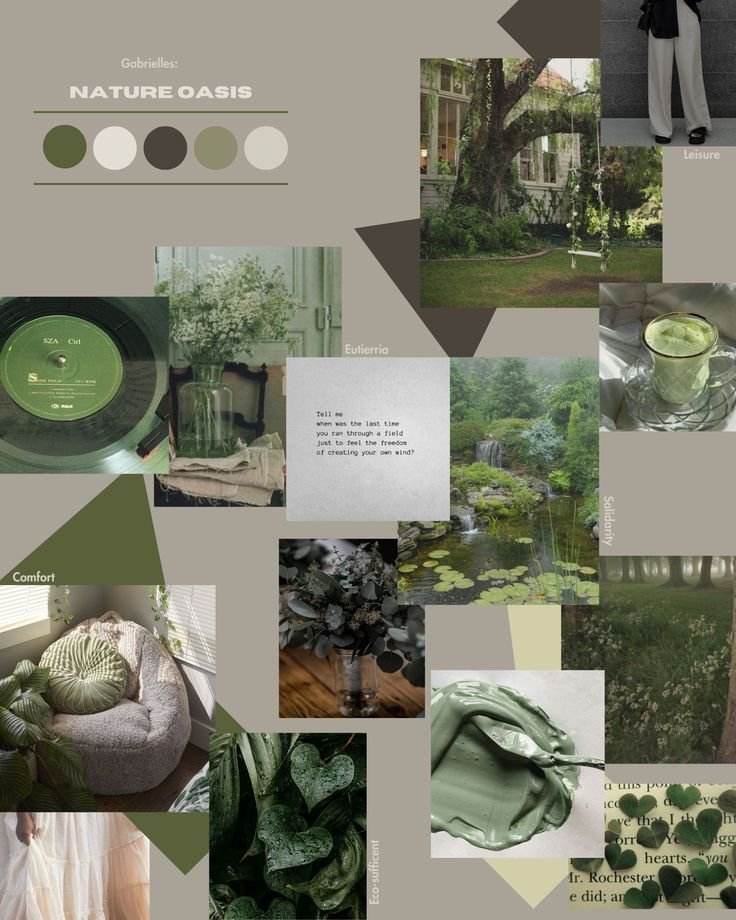
- Green : Boosts creative performance and reduces eye strain.
- Yellow : Stimulates optimism but can be overwhelming if too bright.

Sensory Details in Creative Workspace Design
Do not ignore the sounds and smells of your room. Use a white noise machine or a specific “focus playlist” to create a Pavlovian response. When that sound starts, your brain knows it is time to create.
Furthermore, scents like peppermint or citrus can increase typing speed and accuracy. These small adjustments transform a simple room into a professional studio.
FAQs About Creative Workspace Design
The most important part is the elimination of friction. Every tool you need should be within reach, and every distraction should be hidden or removed.
Yes. You can use folding screens or rugs to define a specific “creative zone” even in a studio apartment.
For some, “controlled chaos” helps. However, visual clutter usually competes for your attention, making it harder to sustain deep focus for long periods
Conclusion: Building Your Future of Focus
Designing a room that “forces” creativity is an investment in your best work. By applying the principles of creative workspace design, you stop fighting your environment and start using it as a tool.
Remember, your space should serve your goals. Whether it is through lighting, layout, or color, every choice should help you enter a flow state faster. Start with one change today and watch your output transform.