
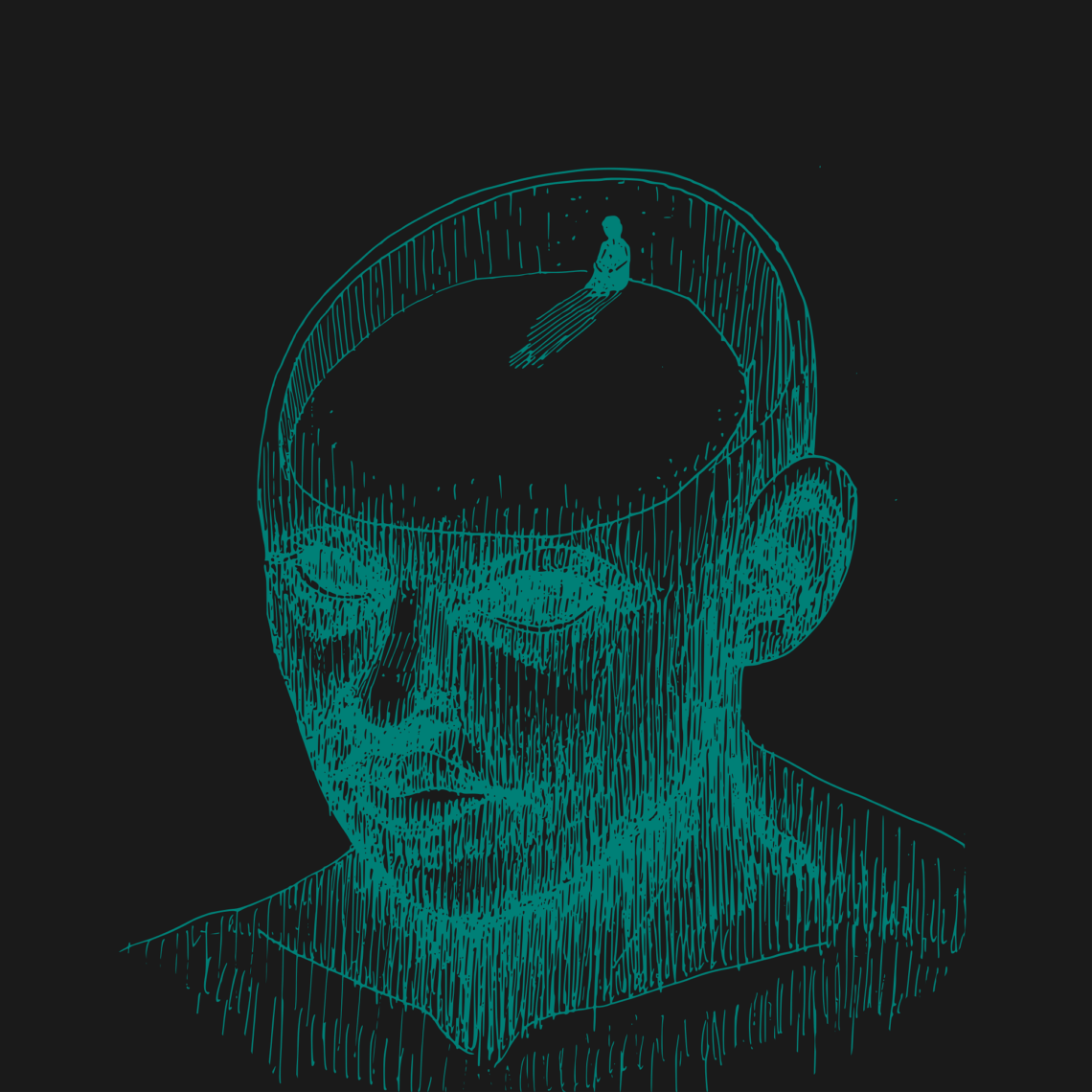
In 2026, we face a profound social irony. We are the most “connected” generation in human history. Yet, we are arguably the loneliest. Our devices transmit data across the globe in milliseconds. However, they often fail to transmit the emotional resonance we need to sustain our spirits. This defines loneliness in the digital age. We are surrounded by a sea of digital “friends,” yet we remain fundamentally unseen.
The Illusion of Connection
The digital age has fundamentally altered our definition of “socializing.” We have replaced the “thick” relationships of the past with “thin” digital interactions. Those older bonds relied on shared physical space and local community. In contrast, digital interaction is often frictionless. We swipe away boring conversations. We “mute” friends who disagree with us. We curate our responses until they lack all spontaneous vulnerability.
The human brain requires real-world “friction” to build deep, resilient bonds. True intimacy grows through shared vulnerability. It requires the physical presence of another person. Screens cannot replicate pheromones, micro-expressions, or tactile touch. When we prioritize breadth over depth, we consume “digital calories” without emotional nutrition. We know everything about others, but we connect with no one.

The Erosion of Presence
Loneliness is not merely the absence of people; it is the absence of presence. Even when we are physically with others, the siren song of the smartphone often pulls our attention elsewhere. This “phubbing” (phone-snubbing) creates a micro-rejection that signals to the person in front of us that they are less important than the digital world in our pocket.
Over time, this erosion of presence thins out our closest relationships. When every shared dinner or walk is interrupted by a notification, we lose the “flow state” of conversation where deep bonding occurs. We become physically present but emotionally distant, a state that often feels lonelier than being truly alone.
Reclaiming Depth in a Surface-Level World
To combat this digital-induced isolation, we must treat our social lives with the same intentionality as our physical health. It requires moving from passive consumption to active engagement. The antidote to loneliness in the digital age is not to delete our apps, but to re-center our lives around “high-friction” human contact.
- Prioritize High-Bandwidth Communication: A five-minute phone call provides more emotional data—tone, cadence, and laughter—than five hours of text-based chatting.
- The Proximity Principle: Invest in local communities where physical presence is required. Whether it is a sports league, a book club, or a community garden, shared physical goals create “thick” bonds that digital spaces cannot mimic.
- Practice Digital Celibacy: Designate “analog zones” in your home and schedule. By silencing the digital noise, you create the mental space necessary for your real-world relationships to breathe and for your own self-reflection to take root.
Ultimately, the digital age has given us the tools to communicate, but it is our responsibility to ensure we are actually connecting. By recognizing the limitations of our screens and the infinite value of our physical presence, we can bridge the gap between being “followed” and being truly known.