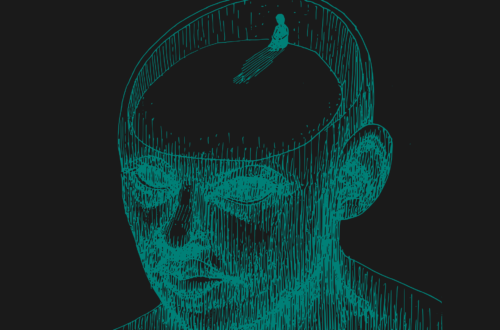

In 2026, we like to think we are more objective than ever. We have big data, AI assistants, and a heightened global awareness of social biases. Yet, the human brain remains a “cognitive miser”—it loves a shortcut. The most seductive shortcut of all is the Halo Effect.
This bias occurs when our overall impression of a person (“They seem like a good person”) spills over and colors our judgment of their specific, unrelated traits (“They must also be a genius, a hard worker, and a great leader”). It is a form of mental “shorthand” that makes the world feel consistent, but often at the cost of the truth.
1. The Anatomy of a Blind Spot
The term was coined in 1920 by psychologist Edward Thorndike. He noticed that when commanding officers rated their soldiers, if they perceived a soldier to have a high “physique,” they almost always gave them high scores for leadership, loyalty, and technical skill—even when there was no evidence to support it.
Our brains crave Cognitive Consistency. It is mentally exhausting to hold a nuanced, contradictory thought like: “This person is incredibly charming, but they are also deeply disorganized and prone to lying.” To save energy, the brain simply puts a “halo” on the person and assumes all their traits are equally bright.
2. The “What is Beautiful is Good” Trap
The most pervasive form of the Halo Effect is based on physical attractiveness. We are biologically hardwired to associate beauty with health, and by extension, with competence and morality.
- In the Workplace: “Attractive” candidates are consistently rated as more qualified, even when their resumes are identical to others. By 2026, despite “blind hiring” trends, the bias persists in video interviews where a “professional look” creates an immediate halo.
- In the Courtroom: Statistics show that attractive defendants often receive lighter sentences and are viewed as more “remorseful” by juries compared to those who don’t fit conventional beauty standards.
- In Leadership: We often mistake a “commanding presence”—height, voice depth, and confident posture—for actual strategic brilliance. We promote the person who looks like a CEO, regardless of their track record.
3. The Digital Halo: Tech and Influencers
In 2026, the Halo Effect has migrated from the boardroom to our devices. We now deal with two specific modern versions:
The “Aesthetic” Authority
We see a creator with a high-production-value studio, perfect lighting, and a polished “vibe” and subconsciously assign them a halo of expertise. We trust their financial or medical advice not because of their credentials, but because their presentation is professional.
The AI Interface Bias
As we interact with more advanced AI, we fall for a new kind of halo. If an AI has a polite, “human-like” tone and a sleek user interface, users are significantly more likely to trust its factual output—even when it is hallucinating. The quality of the interface creates a halo over the information.
4. The “Horn Effect”: The Shadow Mirror
You cannot understand the Halo without its dark twin: the Horn Effect. This is where one negative trait—like being late to a single meeting or having an “unpleasant” tone—causes us to view a person’s entire character as flawed.
If the Halo Effect puts people on pedestals they haven’t earned, the Horn Effect casts them into shadows they don’t deserve. We assume that because someone failed in one area, they are likely deficient in all others. Both effects prevent us from seeing the “3D” reality of a human being.
5. How to Shatter the Halo
While you cannot entirely turn off your brain’s natural biases, you can build “speed bumps” into your decision-making process to ensure your judgments are based on data rather than “vibes.”
Slow Down the Judgment: The Halo Effect thrives in “System 1” thinking—which is fast and intuitive. By forcing yourself to write down specific reasons for your opinion, you engage “System 2,” which is analytical and slow.
Practice Intellectual Decoupling: Force yourself to separate traits. When you feel a surge of admiration for someone, ask yourself: “I like their confidence, but does that actually make them a good accountant?”
Implement Blind Audits: Whenever possible, evaluate work, resumes, or ideas without seeing the person’s face or knowing their background. This removes the physical halo and lets the quality of the work speak for itself.
Run a “Negative” Test: Intentionally look for one flaw in someone you admire, or one strength in someone you dislike. This forces your brain to break its “pure hero” or “pure monster” narrative.
Conclusion: Tearing Down the Pedestal
The Halo Effect makes the world feel like a movie where the heroes are beautiful, and the villains are easy to spot. But life is messy, and people are multifaceted. Recognizing the “halo” is the first step toward reclaiming your objectivity and seeing people for who they actually are.