In the high-speed digital world of 2026, automation is everywhere. We use artificial intelligence to write our emails, design our layouts, and even manage our social lives. Consequently, traditional manual skills often seem “useless” or inefficient. However, this perspective is a massive cognitive mistake. We are currently witnessing the Useless Skill Paradox. This concept suggests that the less “useful” a skill is for your job, the more vital it is for your brain. Therefore, engaging in Analog Hobbies is not just a way to pass the time. Instead, it is a critical strategy for maintaining mental health and cognitive resilience.
The Science of Hand-Brain Connectivity
Human intelligence evolved through the movement of our hands. For thousands of years, our brains grew more complex by manipulating physical objects in the real world. When you use a screen, you utilize a very limited range of motion. In contrast, Analog Hobbies require a high degree of manual dexterity and spatial reasoning.
When you engage in a craft like woodworking or film photography, your brain must process sensory feedback in real-time. Consequently, this strengthens the neural pathways between your motor cortex and your prefrontal cortex. Therefore, these “useless” skills act as a high-intensity workout for your neuroplasticity. By building something physical, you are literally rebuilding your mind.
Why Digital Ease Leads to Cognitive Atrophy
When a machine solves every problem for you, your brain begins to lose its edge. This is known as “Digital Atrophy.” If you never have to navigate physical materials or fix a manual mistake, your problem-solving skills begin to fade. Furthermore, the digital world offers instant gratification with zero effort. This destroys our capacity for “Deep Work” and sustained focus.
Analog Hobbies provide a necessary form of “Useful Hardship.” They force you to slow down and work within the limits of the physical world. Instead of clicking “undo,” you must find a creative way to fix a real-world error. Consequently, you build the patience and grit that the digital world often erodes.
| Activity | Mental Load | Cognitive Benefit |
| Scrolling Social Media | Passive / Low | None (Dopamine Depletion) |
| AI Content Generation | Delegated / Low | Efficiency only |
| Analog Hobbies (Sketching) | Active / High | Improved Focus & Memory |
| Manual Craft (Carpentry) | Total / Multisensory | High Neuroplasticity |
How to Integrate Analog Habits in a Digital Life
You do not need to quit your digital job to save your brain. Instead, you should aim for a balanced “Bimodal Life.” This means intentionally carving out time where the algorithm cannot reach you.
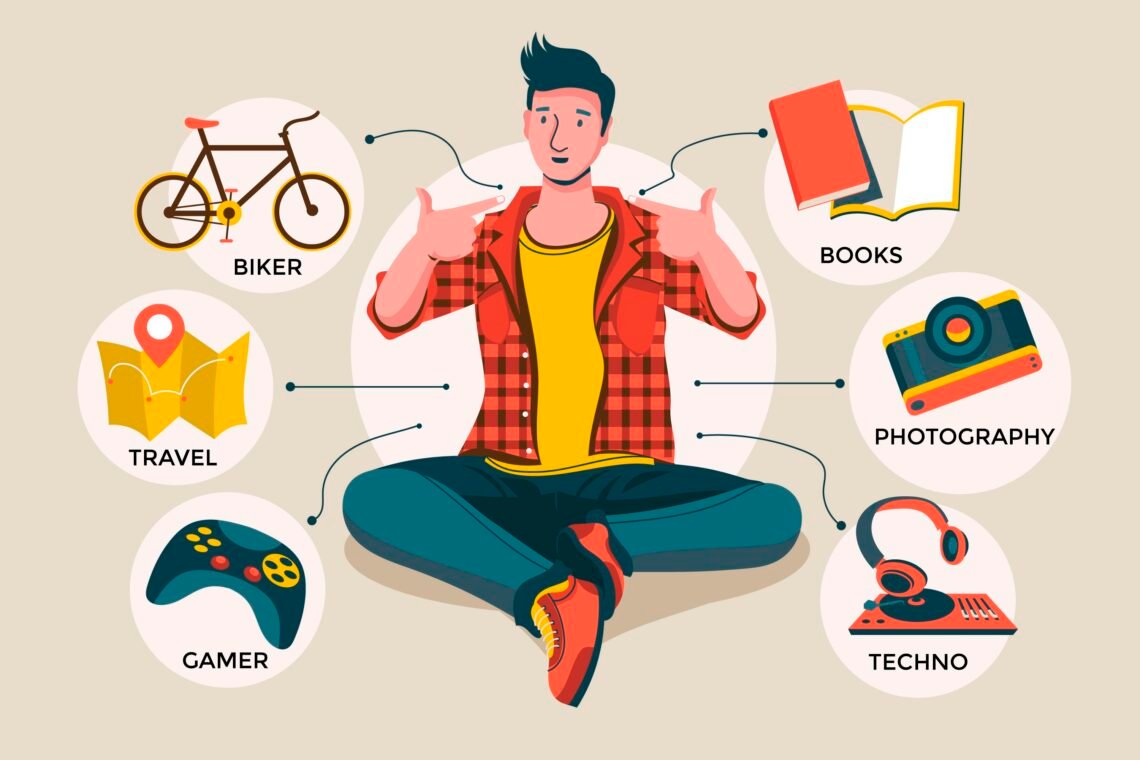
- First, choose a hobby that produces a physical result. This could be pen-and-ink illustration, gardening, or film photography.
- Consequently, you move from being a “consumer” to a “creator” in the physical realm.
- Furthermore, establish a “No-Screen Zone” in your home. This provides the “The Quality of Silence” your brain needs to enter a flow state.
- Therefore, you protect your mental resources from the constant “Attention Tax” of notifications.
Conclusion: The Luxury of the Physical
In 2026, the ability to build something with your own hands is becoming a luxury skill. The Analog Hobbies movement is not about rejecting progress. Instead, it is about honoring our biological design. Stop letting the software have all the fun. Pick up a tool, make something tangible, and feel your brain come back to life. Reclaim your focus. Reset your reward system. Your brain was built to touch the world, not just a glass screen.