
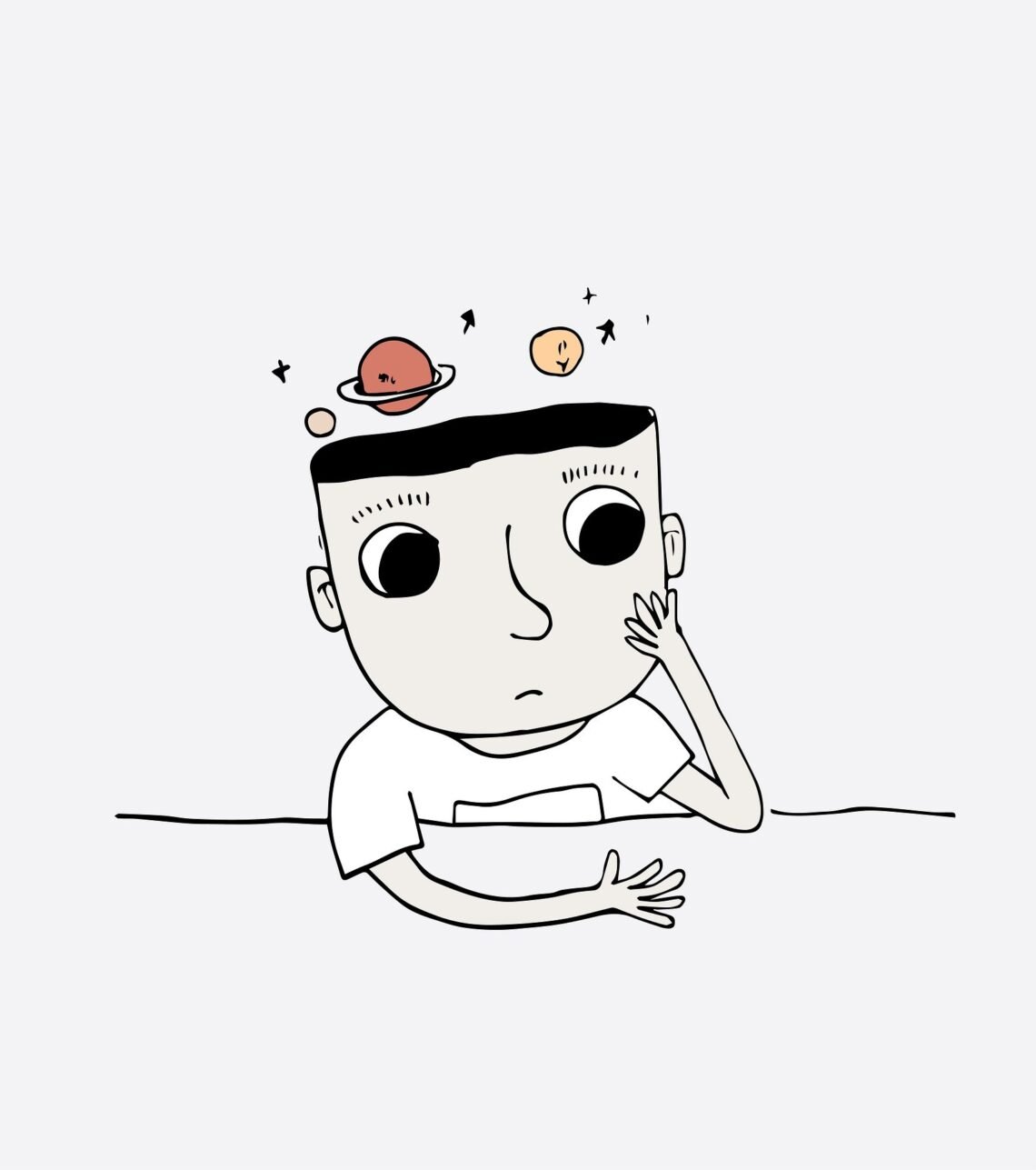
Understanding How Our Minds Measure Mental Velocity
Have you ever noticed how time seems to crawl during boring meetings but flies by when you’re engrossed in something exciting? Or how a child’s summer feels endless while adult summers vanish in a blink? The “Thought Speedometer” theory offers a fascinating explanation for these everyday mysteries of human consciousness.
This cognitive framework suggests that our brains contain an internal mechanism—a kind of speedometer—that constantly monitors how fast our thoughts are moving. Just like a car’s speedometer measures miles per hour, our mental speedometer tracks thoughts per unit of time. The faster our thoughts race, the slower external time appears to pass. Conversely, when our thinking slows down, time seems to accelerate around us.
The Science Behind Mental Velocity
The theory emerged from observations about how different mental states affect time perception. When we’re bored, our minds generate relatively few distinct thoughts. We might stare at a clock, check our phone, wonder when something will end, and then repeat this limited cycle. This sparse mental activity makes our thought speedometer register a low reading, which paradoxically makes each minute feel excruciatingly long.
In contrast, during engaging activities—whether solving a complex puzzle, having a deep conversation, or creating art—our brains fire rapidly through multiple thoughts, connections, and micro-decisions every second. The speedometer spins wildly, and before we know it, hours have evaporated.
Research in neuroscience supports this concept. Studies using brain imaging technology show that different mental states correspond with varying levels of neural activity. When people report that time is “dragging,” their brains often show less activity in regions associated with attention and information processing. When time “flies,” these same regions light up with intense activity.
Why Children Experience Time Differently
One of the most compelling applications of the Thought Speedometer theory explains the childhood-adulthood time perception gap. Children consistently report that days feel longer and years stretch endlessly, while adults often wonder where the time went.
The explanation lies in novelty and learning. Children encounter new experiences constantly—every game has unexplored rules, every story presents unfamiliar words, every outing reveals previously unknown places. This flood of novel information requires intensive mental processing, keeping their thought speedometer at high RPMs. A single day packed with new neural pathways being formed genuinely contains more “mental distance” than an adult’s routine day.
Adults, meanwhile, settle into patterns. The morning commute becomes automatic, work tasks grow familiar, and daily routines require minimal conscious thought. With fewer novel thoughts per day, the mental speedometer slows, and time seems to accelerate proportionally.
The Meditation Paradox
Meditation presents an intriguing challenge to the Thought Speedometer theory. Experienced meditators often describe time distortion during practice, yet meditation explicitly aims to quiet mental chatter rather than accelerate it.
However, closer examination reveals that meditation doesn’t contradict the theory—it refines it. During meditation, practitioners achieve a unique state where thought density changes character rather than simply slowing down. Mindfulness meditation, for instance, involves intense awareness of each passing moment, which actually increases mental processing of present-moment experience. The speedometer reads high not because thoughts are racing chaotically, but because attention is densely focused on noticing subtle sensations, breaths, and micro-moments that normally pass unobserved.
This suggests the speedometer measures not just thought quantity but also thought quality and density of awareness.
Practical Applications for Daily Life
Understanding the Thought Speedometer theory offers practical tools for managing subjective time experience. Want to make a vacation feel longer? Avoid falling into lazy routines. Instead, seek novelty—try new foods, take different routes, engage with unfamiliar activities. Each novel experience spins the mental speedometer faster, stretching your subjective experience of those precious days.
Conversely, when enduring something unpleasant—a long flight, a medical procedure, or a tedious obligation—the key is engaging your mind intensely. Listen to a gripping audiobook, solve puzzles, or dive into complex thoughts. More mental activity makes clock-time pass more quickly.
The theory also illuminates why flow states feel so rewarding. When we’re in flow—that magical zone where challenge meets skill—our thoughts race through problems and solutions at optimal speed. The speedometer registers this intense cognitive engagement, making hours feel like minutes while simultaneously making the experience feel rich and satisfying.
The Broader Implications
The Thought Speedometer theory extends beyond personal time management into questions about consciousness itself. It suggests that our experience of time’s passage isn’t a direct measurement of external reality but rather a reflection of our internal cognitive landscape. We don’t experience time passing; we experience our thoughts passing, and interpret that as time.
This has profound implications. It means that two people sitting in the same room for the same objective duration might have genuinely different experiences of “how long” that period lasted, based entirely on their mental activity. Time, in the subjective sense, becomes personal and variable rather than universal and fixed.
Conclusion
The Thought Speedometer theory elegantly explains many puzzling aspects of human time perception through a simple metaphor: our brains track mental velocity, and this internal measurement shapes how we experience duration. Whether you’re trying to savor precious moments or endure difficult ones, understanding your mental speedometer gives you a tool for navigating the subjective landscape of time itself. The clock may tick at a constant rate, but your experience of those ticks remains refreshingly, frustratingly, and beautifully under your mind’s control.