
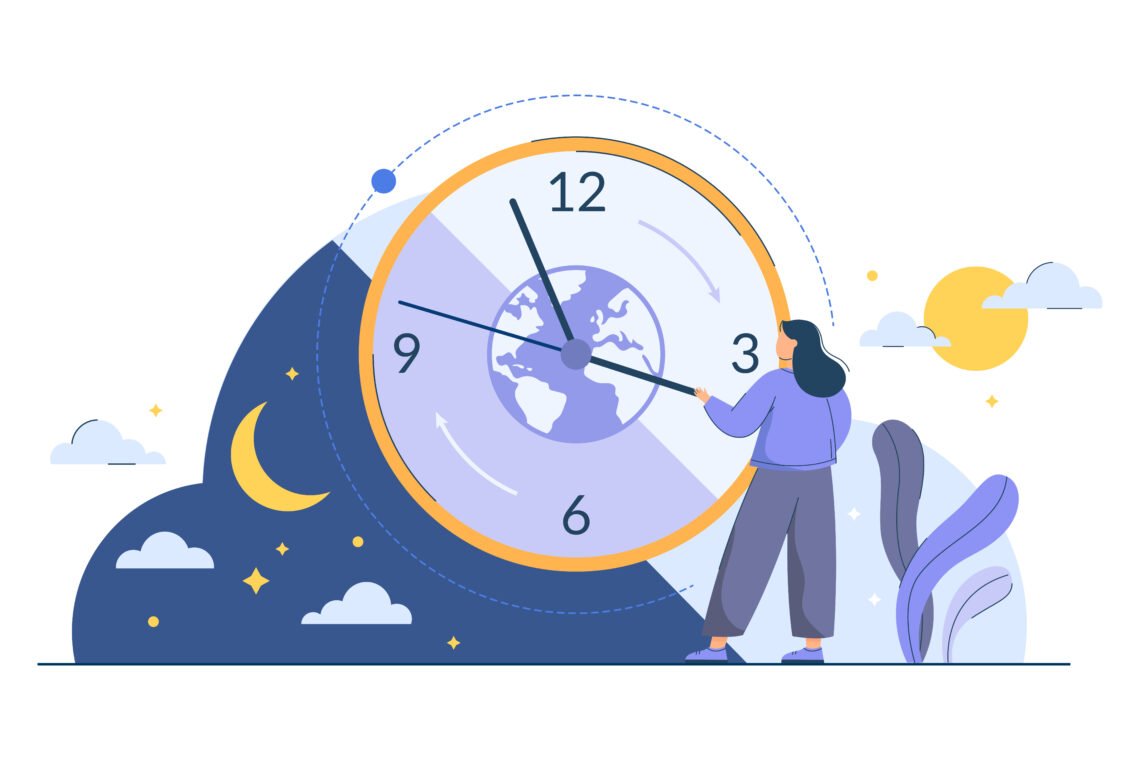
In the modern world of 2026, many people suffer from chronic low energy and mood swings. We often blame our jobs or our diets for these feelings. However, the root cause is frequently a biological “Sunlight Gap.” This occurs when our internal body clock, or Circadian Rhythm, becomes disconnected from the natural cycle of day and night. We spend our days under static LED lights and our nights staring at glowing screens. Consequently, our brains lose the vital signals needed to regulate hormones. Therefore, understanding the science of light is the first step toward reclaiming your emotional stability.
The Science of the Biological Master Clock
Every cell in your body operates on a 24-hour schedule. This system is controlled by the Suprachiasmatic Nucleus (SCN), a tiny region in the brain that responds to light. When specific wavelengths of sunlight hit your eyes in the morning, the SCN triggers a healthy cortisol spike. This prepares your body for the day and sets a countdown for sleep. Instead of this natural process, most people wake up in dark rooms and immediately look at smartphones. This sends a confusing signal to the brain. Consequently, your Circadian Rhythm shifts, leading to a state of permanent “social jetlag.”
Why Blue Light is a Double-Edged Sword
Not all light is created equal. Blue light is naturally present in high concentrations during the middle of the day. It is essential for focus and alertness because it suppresses melatonin, the sleep hormone. However, exposure to artificial blue light after sunset is a major disruptor. When you use digital devices late at night, you trick your brain into thinking it is still noon. This prevents the natural rise of melatonin. Furthermore, it keeps your brain in a high-arousal state when it should be winding down. Consequently, you experience fragmented sleep and increased anxiety the following morning.
| Time of Day | Ideal Light Source | Biological Impact |
| Morning | Low-angle Sunlight | Sets the clock / Cortisol spike |
| Midday | Full Spectrum Sun | Peak Alertness / Mood boost |
| Evening | Warm, Dim Light | Melatonin production begins |
| Night | Total Darkness | Deep Repair / Immune function |
Closing the Sunlight Gap
You can fix your Circadian Rhythm by making small, intentional changes to your light environment. This does not require expensive equipment or a complete lifestyle overhaul.
- First, view the sun within 30 minutes of waking up. Even on a cloudy day, the lux levels outside are significantly higher than any indoor lamp.
- Consequently, you provide the “Optical Trigger” your brain needs to start the day correctly.
- Furthermore, try to view the sunset in the evening. The unique orange and red wavelengths signal to your brain that the day is ending.
- Therefore, you create a natural “Bookend” for your biology that promotes deep, restorative sleep.
Conclusion: Reclaiming Your Biological Identity
We are biological creatures living in a digital world. The Circadian Rhythm is not a suggestion; it is a fundamental requirement for human health. When we ignore the sunlight gap, we pay the price in our mental and physical well-being. Stop letting artificial lights dictate your mood. Step outside, look at the sky, and let your body synchronize with the world again. In 2026, the most effective “biohack” is also the oldest one: following the sun. Reset your clock and reclaim your energy today.