
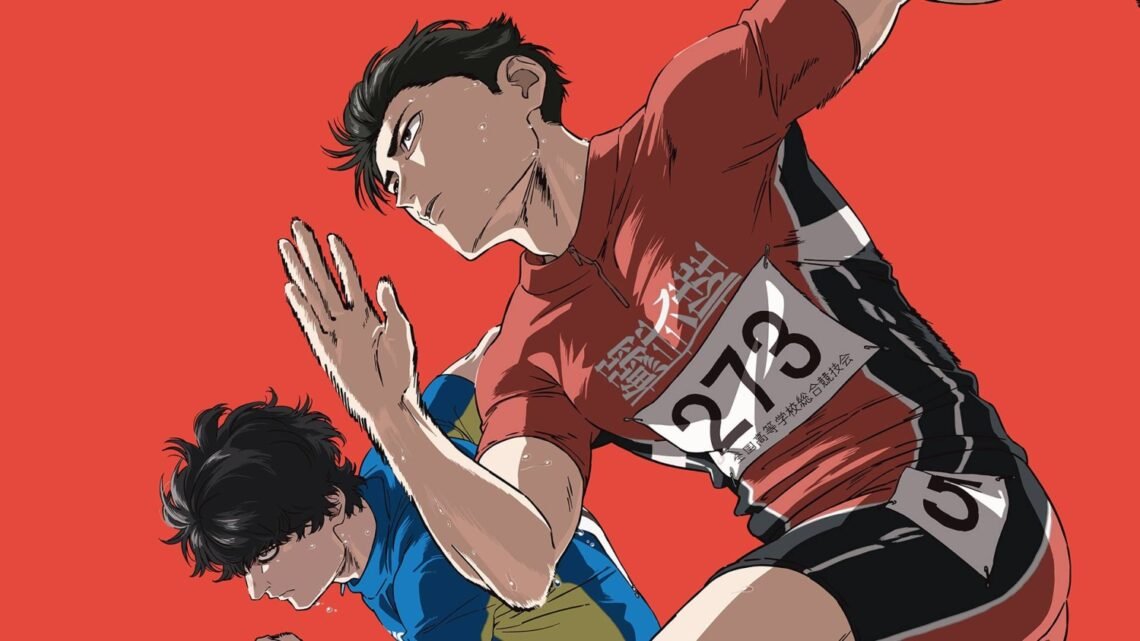
In the vast landscape of modern animation, there are films that dazzle us with spectacle, and then there are films that quietly reach into our chests and pull at the strings of our ambition. 100 Meters—the breakout animated short that has taken the creative world by storm in 2026—is undeniably the latter.
At its surface, the premise is deceptively simple: it is a high-octane, visually visceral depiction of a sprinter’s journey through a single 100-meter dash. But as the seconds tick by on the screen, the movie transforms into a universal metaphor for human struggle, focus, and the terrifying beauty of “going all in.” It has left audiences not just applauding, but questioning their own dormant dreams.
Here is why 100 Meters has become the ultimate cinematic catalyst for a generation looking to find its “start block.”
1. The Visual Language of Obsession
Most sports movies focus on the glory of the podium. 100 Meters focuses on the tunnel vision of the attempt. The animation style shifts from fluid, realistic motion to jagged, abstract bursts of color as the protagonist hits their peak velocity.
This visual shift mimics the psychological state of Flow. When we watch the sprinter’s world blur until only the white lines of the lane remain, we recognize that feeling. It’s the same feeling an artist gets when the canvas disappears, or a coder gets when the logic clicks. By stripping away the stadium, the crowd, and even the air itself, the movie forces us to confront the purity of effort. It makes the viewer ask: “What is the one thing I want so badly that the rest of the world would disappear?”
2. The Sound of the Internal Struggle
One of the most profound elements of 100 Meters is its use of sound. Rather than a swelling orchestral score, the first half of the film is dominated by the rhythmic, heavy thud of a heartbeat and the ragged gasp of breath.
This choice grounds the “hero” in a way that feels uncomfortably real. It reminds us that every great achievement is built on a foundation of physical and mental discomfort. When the sound finally breaks into a triumphant, soaring melody in the final ten meters, it isn’t just a musical cue—it’s an emotional release. It evokes a primal desire to experience that same “breakthrough” in our own lives, whether that’s finishing a book, launching a business, or mastering a craft.
3. The “Start Block” Anxiety: Overcoming the Paralysis
Perhaps the most relatable scene in the movie is the ten seconds before the starting pistol fires. The camera lingers on the sprinter’s trembling fingers and the sweat dripping onto the track. It captures the sheer, paralyzing terror of the “Start.”
In 2026, many of us suffer from a chronic inability to begin. We are overwhelmed by choice, perfectionism, and the fear of failing publicly. 100 Meters validates that fear but shows that the only way to the finish line is through the “start.” The moment the gun fires and the sprinter explodes into motion, the audience feels a collective surge of adrenaline. It acts as a psychological nudge, reminding us that the anxiety of the start is always smaller than the regret of staying in the blocks.
4. The Short-Form Narrative for a Fast-Paced World
The film’s brilliance lies in its brevity. By packing an entire life’s worth of ambition into a few minutes, it mirrors the urgency of the modern era. It tells us that while life is a marathon, it is composed of critical “sprints”—those moments of intense dedication where we give everything we have.
This brevity makes the feeling of inspiration more concentrated. You don’t leave the theater (or close the tab) feeling tired from a three-hour epic; you leave feeling like you’ve been “charged.” It creates a “bias toward action.” The movie doesn’t just want you to admire the sprinter; it wants you to stand up and move.
5. The Metaphor of the “Lane”
In the movie, the sprinter never looks at the people in the lanes next to them. This is a subtle but powerful commentary on the “Comparison Trap” of the digital age.
We live in a world where we are constantly glancing at the “lanes” of others—seeing their progress, their speed, and their successes on social media. 100 Meters shows that the fastest way to the finish line is to stay eyes-forward. The moment you look away from your own path to check on your competition, you lose your form. This message resonates deeply with anyone trying to build something original. It reinforces the idea that your only true competition is the clock and the person you were yesterday.
6. From Spectator to Participant: The “What If?”
The most enduring legacy of 100 Meters isn’t the animation awards it has won; it’s the “What If?” it leaves behind.
- What if I finally took that first step?
- What if I ignored the crowd and focused only on the goal?
- What if I allowed myself to be this obsessed with my own potential?
The movie serves as a mirror. It doesn’t tell you what to do; it shows you how it feels to do something with total conviction. Whether you are an athlete, an artist, or an entrepreneur, the film acts as a universal “Go” signal.
Conclusion: Finding Your Ten Seconds
100 Meters is more than an animation; it is a visceral reminder that the human spirit is designed for the chase. It captures the fleeting, beautiful intensity of giving 100% of yourself to a single goal.
You may not be a world-class sprinter, and your “track” might be a desk, a stage, or a home. But the feeling the movie invokes—that itch in the soles of your feet and that fire in your lungs—is a call to action. It tells us that while the finish line is where the glory is, the most meaningful part of life is the 100 meters of heart, sweat, and focus it takes to get there.
The movie ends, the screen goes black, and for a few seconds, the silence is heavy. In that silence, the question remains: The blocks are set. Are you ready?