
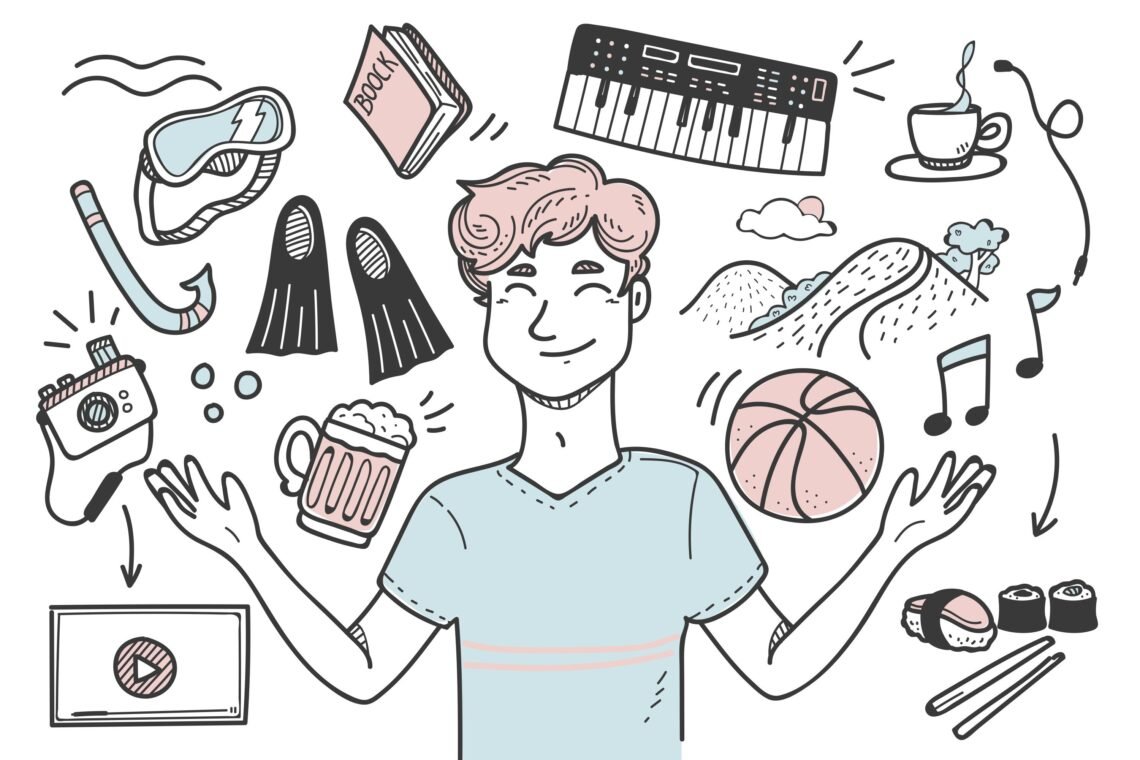
Have you been thinking about picking up something new but don’t know where to begin? Learning how to start a hobby the right way makes all the difference between sticking with it and quitting after two weeks. Most people dive in too fast, spend too much money, and then lose interest quickly.
The good news is that starting a new hobby doesn’t have to be complicated. In fact, a simple and structured approach gives you the best chance of success. This guide walks you through everything — from finding the right fit to building a routine you’ll actually enjoy.

How to Start a Hobby: Finding the Right One for You
The biggest mistake beginners make is choosing a hobby based on trends rather than genuine interest. Just because journaling or watercolor painting is popular doesn’t mean it’s right for you. Therefore, you need to start with a little self-reflection.
Ask yourself these three questions before you commit to anything:
- What did you love doing as a kid? Childhood interests often point to natural talents.
- Do you prefer solo or social activities? Some hobbies are solitary; others thrive in groups.
- How much time can you realistically commit? Be honest here — overcommitting leads to burnout.
Match Your Hobby to Your Personality
Introverts often enjoy hobbies like reading, painting, coding, or gardening. Extroverts, on the other hand, tend to thrive in group settings like dance classes, team sports, or improv comedy. Neither is better — what matters is finding something that energizes rather than drains you.
Also, consider your physical energy levels. If you’re exhausted after work, a high-intensity hobby like rock climbing might not fit a Tuesday night. However, something calmer like knitting or learning a language might be perfect.
Try Before You Commit
Before spending any money, test the hobby first. Watch YouTube tutorials, attend a free class, or borrow equipment from a friend. Many community centers offer free trial sessions for things like pottery, yoga, and woodworking. Consequently, you’ll know within a session or two whether it’s truly for you.
[External Link: Psychology Today — The Mental Health Benefits of Having a Hobby]
How to Set Up Your New Hobby for Long-Term Success
Once you’ve chosen your hobby, the setup phase is critical. This is where most beginners go wrong. They either spend too much too soon, or they don’t plan enough and lose momentum within weeks.
Start Small and Keep Costs Low
You don’t need professional gear on day one. In fact, starting with basic, affordable equipment is almost always the smarter move. Here’s why:
- You haven’t confirmed your long-term interest yet
- Entry-level gear is often better for learning
- Upgrading later feels rewarding, not stressful
For example, if you want to start photography, use your phone or a basic second-hand camera first. Similarly, if you’re interested in guitar, a $100 beginner instrument is perfectly fine. Invest more only when you know you’re committed.
Create a Dedicated Time and Space
One of the most powerful things you can do is assign a specific time slot to your new hobby each week. Treat it like an appointment. Furthermore, having a dedicated physical space — even just a corner of a room — trains your brain to get into the right mindset quickly.
Consistency matters far more than intensity. Two hours every Saturday beats a random four-hour session once a month, every time.
Common Mistakes to Avoid When Starting a New Hobby
Even with the best intentions, beginners make predictable mistakes. Knowing them in advance puts you in a much stronger position.
| Mistake | Why It Happens | How to Avoid It |
|---|---|---|
| Spending too much upfront | Excitement and optimism | Start with basic gear only |
| Comparing yourself to experts | Social media exposure | Follow other beginners instead |
| No clear schedule | Life gets busy | Block time in your calendar |
| Quitting after one bad session | Unrealistic expectations | Expect a learning curve |
| Trying too many hobbies at once | Shiny object syndrome | Focus on one for 30 days first |
Recognizing these traps early keeps you motivated. Moreover, understanding that struggle is a normal part of learning removes a huge mental barrier.
How to Build a Hobby Routine That Sticks
The 30-Day Starter Method
Commit to your new hobby for just 30 days without judgment. Don’t measure success by how good you are. Instead, measure it by how consistently you show up. After 30 days, you’ll have real data on whether it’s worth continuing.
Follow these steps during your first month:
- Week 1: Learn the absolute basics. Watch tutorials, read a beginner guide, or take one class.
- Week 2: Practice the basics with no pressure. Mistakes are expected and welcome.
- Week 3: Try one slightly harder technique or project to build confidence.
- Week 4: Reflect honestly. Do you look forward to sessions? That’s your answer.
Find a Community
Hobbies are far more enjoyable — and sticky — when shared with others. Join a local club, online forum, or subreddit dedicated to your hobby. As a result, you’ll get encouragement, tips, and accountability without even asking for it.
Most cities have meetup groups for almost every hobby imaginable. Similarly, platforms like Discord and Reddit have thriving beginner communities for everything from birdwatching to beatmaking.
[External Link: Meetup.com — Find Local Hobby Groups Near You]
[Internal Link: Best Online Communities for Creative Beginners]
Frequently Asked Questions
Q1: What is the best way to start a hobby as an adult? Start with something you’re genuinely curious about, not just what’s trending. Test it for free before spending money. Then, block out one or two specific times per week and commit to at least 30 days before deciding if it’s right for you.
Q2: How do I know which hobby is right for me? Think about what you naturally enjoyed as a child, whether you prefer solo or social activities, and how much energy you have after a typical day. From there, try two or three options at low cost before fully committing to one.
Q3: How much should I spend when starting a new hobby? As little as possible at first. Many hobbies can be started for under $50. Borrow gear, use free resources, and only invest in better equipment once you’re sure you’ll stick with it. Overspending early is one of the top reasons people quit.
Q4: How long does it take to get good at a new hobby? That depends on the hobby and how often you practice. However, most beginners see noticeable improvement within 30 to 60 days of consistent practice. Don’t compare your week one to someone else’s year five. Focus on your own progress only.
Q5: How to start a hobby when you have no free time? Start with just 20 to 30 minutes per week. That’s genuinely enough to make progress in most hobbies. Furthermore, replacing one low-value habit — like scrolling social media before bed — with your hobby is often all it takes to find the time.
Conclusion: Start Your Hobby the Right Way
Now you have a clear, step-by-step picture of how to start a hobby and make it last. The key is to choose based on real interest, start small, build a consistent routine, and connect with a community early on.
Don’t wait for the perfect moment — it won’t come. Instead, pick one hobby from your list, test it this week, and give yourself permission to be a complete beginner. The joy of a new hobby isn’t in being great at it. It’s in the process of getting there.
Your next favorite pastime is one small step away. Go start it today.