
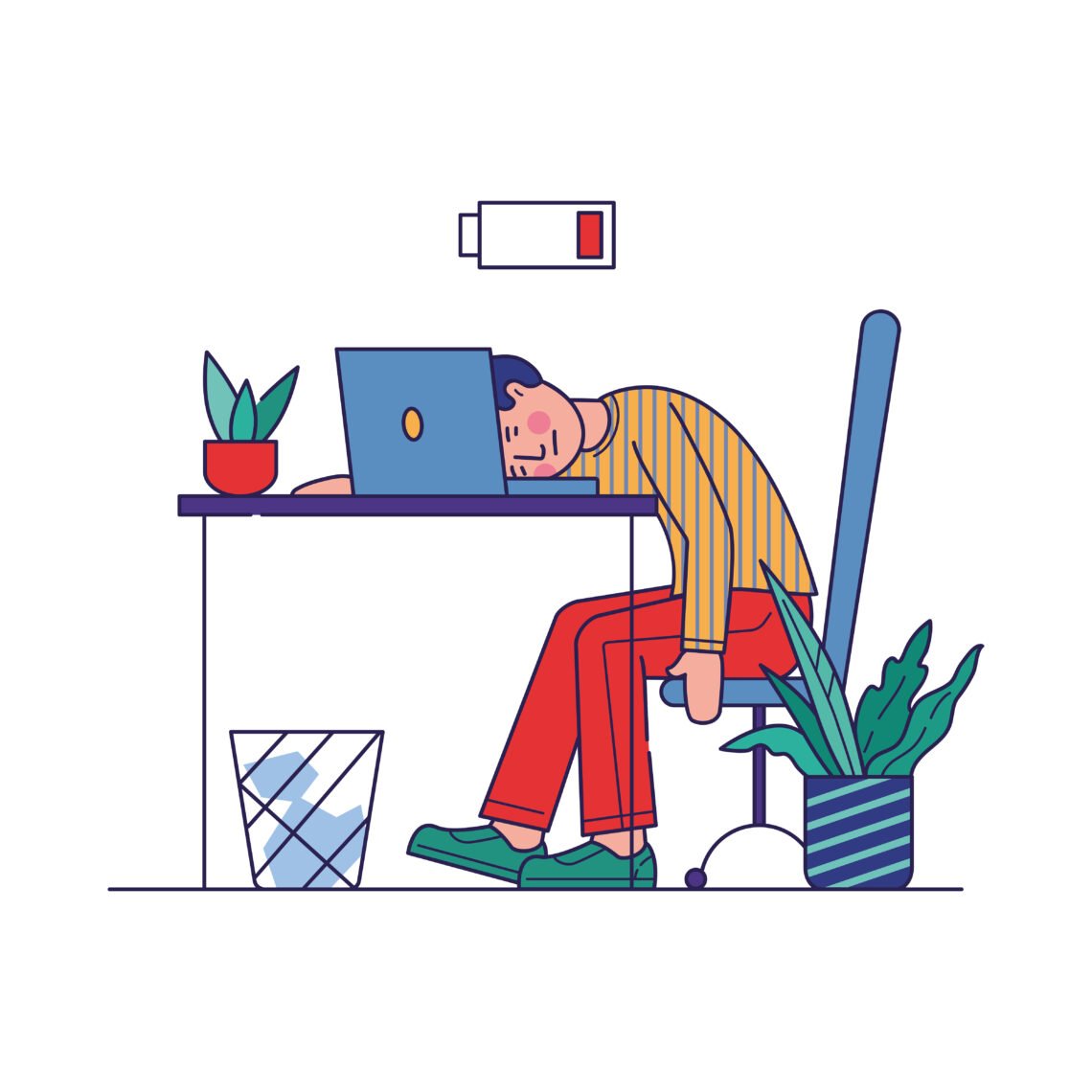
You slept eight hours. You didn’t do much today. Maybe you even had a slow, uneventful weekend with no real demands on your time. And yet somehow, you’re exhausted. Not the satisfying kind of tired that comes after a long hike or a productive workday — but a deep, hollow fatigue that sits in your bones and doesn’t budge no matter how much you rest.
This is silent burnout. And it’s far more common than most people realize.
It Doesn’t Look Like What You’d Expect
When most people think of burnout, they picture someone who’s been running on empty for months — working eighteen-hour days, skipping meals, juggling impossible deadlines. That image is real, but it’s only one version of the story.
Silent burnout is sneakier. It creeps in during ordinary life, often without a dramatic trigger. You haven’t been overworked in any obvious way. You haven’t experienced a catastrophic event. From the outside, and even from your own perspective, things look fine. Maybe even quiet. But something inside you has simply… switched off.
The exhaustion isn’t physical in the traditional sense. It’s emotional and neurological. Your nervous system has been quietly absorbing stress — from low-grade anxiety, from social pressure, from the constant background noise of digital life — and at some point, it stopped recovering between rounds. The tank emptied slowly, and now even stillness doesn’t refill it.
Why Rest Stops Working
Here’s the part that trips people up: rest only works when the thing draining you actually stops during rest. If you lie on the couch scrolling through your phone, your brain isn’t resting — it’s processing. If you take a day off work but spend it worrying about work, your nervous system never receives the signal that it’s safe to recover.
Modern life is full of these invisible energy leaks. The news cycle. Notifications. Comparison culture on social media. Unresolved tension in relationships. Financial anxiety humming quietly in the background. None of these feel like “big” stressors on their own, but the nervous system doesn’t distinguish between a lion in the grass and an unanswered email that’s been sitting in your inbox for three days. It responds to perceived threat, and in today’s world, perceived threats are everywhere, all the time.
This is called chronic low-grade stress, and it’s one of the primary engines behind silent burnout. When your stress response is perpetually switched on — even at a low hum — your body burns through its resources around the clock. Sleep, rather than being a full recharge, becomes just enough to keep you functional. And eventually, not even that.
The Emotional Weight You Forgot You Were Carrying
There’s another dimension to silent burnout that rarely gets talked about: emotional suppression. Many people who experience it are, without realizing it, highly attuned to the emotions and needs of those around them. They manage conflict carefully, swallow their frustrations, say yes when they mean no, and keep things smooth for everyone else at the expense of their own inner world.
This takes a staggering amount of energy. Holding back feelings, monitoring how you come across, constantly adjusting yourself to suit the room — it’s cognitive and emotional labor that never appears on any to-do list but costs you enormously. Over time, the effort of simply existing in your relationships and environments becomes its own full-time job.
And because none of this looks like stress from the outside, it often goes unnamed. You don’t get sympathy for being tired from trying to hold everything together. So you push through, and the burnout deepens.
The Signs Most People Miss
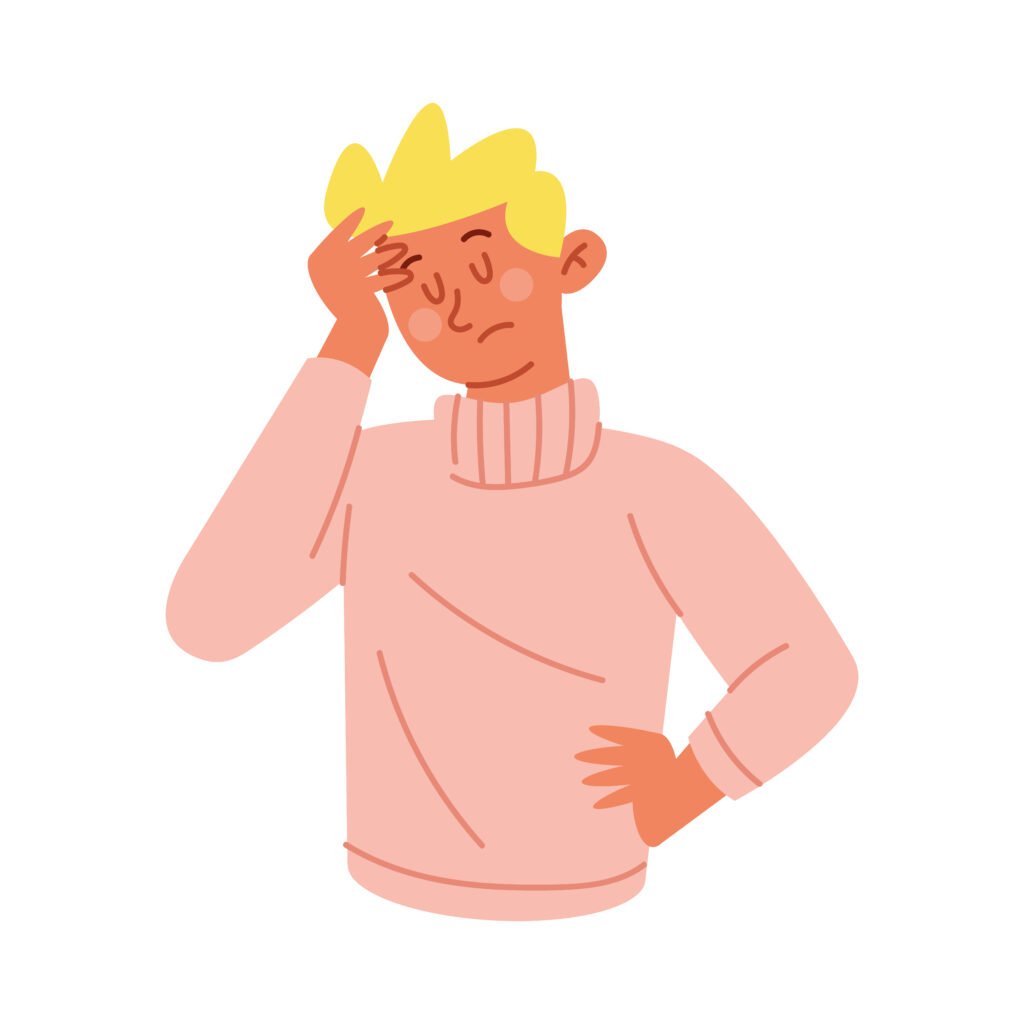
Silent burnout doesn’t announce itself loudly. Instead, it shows up in subtle shifts that are easy to rationalize away. You might notice that things you used to enjoy feel flat or pointless. You might find yourself increasingly irritable over small things, then guilty about the irritability. Getting out of bed requires more convincing than it used to. You feel vaguely disconnected — present in rooms but not really there.
Concentration becomes harder. Decisions, even simple ones, feel strangely taxing. You crave isolation but feel lonely in it. You’re not sad exactly, not anxious exactly — just muted. Like someone turned the volume down on your life and you can’t quite find the dial.
These symptoms are often dismissed as laziness, ingratitude, or simply “a phase.” But they’re meaningful signals. Your mind and body are asking for something that a nap or a Netflix binge isn’t going to provide.
What Actually Helps
Recovery from silent burnout is less about doing more and more about doing differently. The first step is honest self-recognition — acknowledging that what you’re experiencing is real, even without a dramatic reason behind it. You don’t need to have been through something catastrophic to be genuinely depleted.
From there, real rest becomes the goal. Not passive rest, but restorative rest — time that genuinely allows your nervous system to feel safe. This looks different for everyone, but it often involves time in nature, meaningful connection with people who feel easy to be around, creative expression, or simply long stretches of unscheduled quiet without a screen.
Setting boundaries — real ones, not the performative kind — matters too. So does learning to let emotional experiences move through you rather than storing them up.
Silent burnout thrives in silence. The first act of recovery is simply calling it what it is.