The Aesthetic Productivity Movement has transformed the simple act of getting work done into a full-blown cultural phenomenon. Open any social media platform in 2026 and you’ll find carefully curated desk setups, color-coded to-do lists, and time-lapse videos of people studying in soft, ambient lighting. What was once just about completing tasks has become a performance art, where looking productive matters almost as much as being productive. This shift represents a fundamental change in how we perceive labor, self-worth, and our digital identities.
The Rise of Productivity as Performance
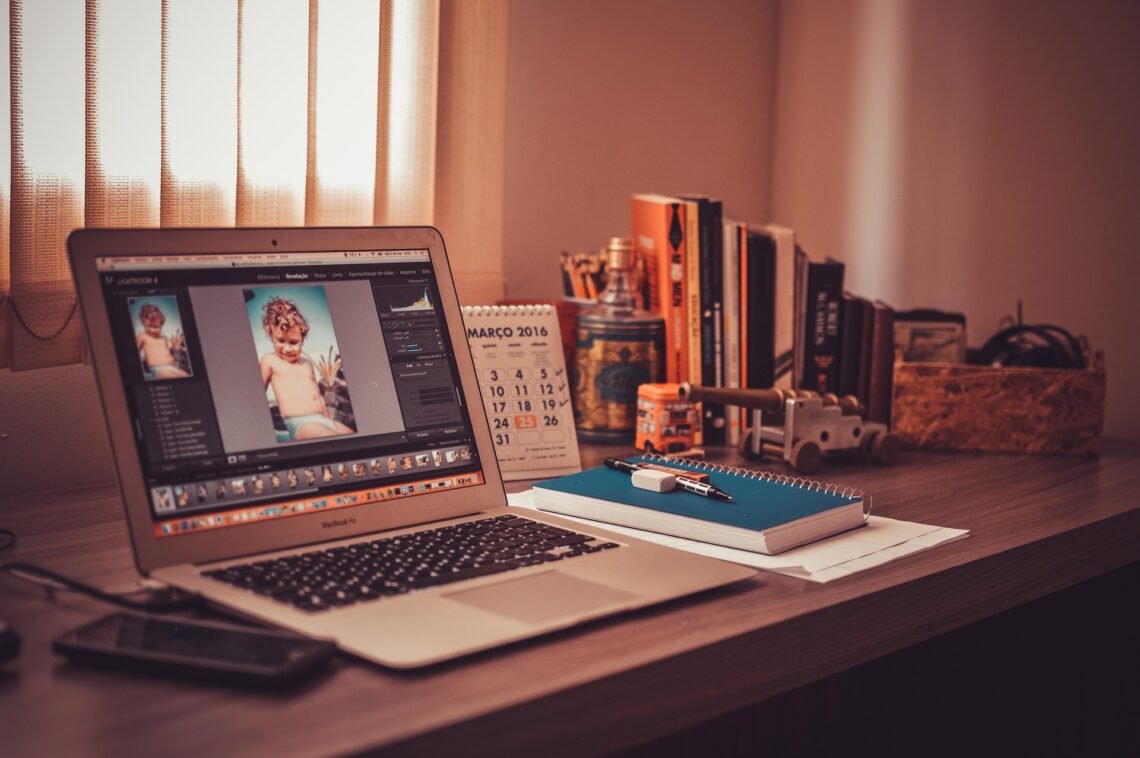
Scroll through TikTok or Instagram and you’ll encounter an endless stream of “study with me” videos, minimal desk tours, and beautifully arranged bullet journals. These aren’t just people working—they’re crafting an entire visual language around the Aesthetic Productivity Movement. The aesthetic typically includes neutral color palettes, sleek stationery, ambient lighting, and an almost meditative quality to the workspace.
This phenomenon didn’t emerge from nowhere. We’re living in an age where personal branding extends to every corner of our lives, and the Aesthetic Productivity Movement has become another aspect of our identity to curate and display. The rise of remote work and digital learning during recent years only accelerated this trend, as people’s workspaces became backdrops for video calls and content creation.
Why the Aesthetic Productivity Movement Environment Matters
At first glance, the obsession with making productivity beautiful might seem superficial. But there’s genuine psychology at work here. Our environment profoundly affects our mental state and motivation. A cluttered, chaotic workspace can drain energy before you even start working, while a thoughtfully arranged space can make sitting down to work feel like a small luxury rather than a chore.
The Aesthetic Productivity Movement taps into something deeper than vanity. When you invest time in creating a beautiful workspace or choosing the perfect planner, you’re making a psychological commitment to the work itself. It’s a form of ritual that signals to your brain: this matters. The Instagram-worthy desk setup becomes a threshold between leisure and focus, making the transition into work mode smoother. According to research on environmental psychology often cited by Psychology Today, the visual harmony of our surroundings can significantly reduce cortisol levels, allowing for deeper cognitive “flow.”
The Influence Economy and Digital Curation
Part of this obsession is undeniably tied to social media’s influence economy. Aesthetic Productivity Movement content performs exceptionally well online because it hits multiple psychological buttons simultaneously. It’s aspirational, educational, and visually satisfying. Watching someone else work in a beautiful environment gives viewers a dopamine hit without requiring any effort.
Creators have built entire platforms around the Aesthetic Productivity Movement. They’re not just sharing tips—they’re selling a lifestyle. The message is clear: you too can be the kind of person who has their life together, who works efficiently in beautiful surroundings, who achieves their goals with grace and style. It’s productivity culture wrapped in the language of self-care and mindfulness. This is a far cry from the “hustle culture” of previous decades; it is more polished, more quiet, and more focused on the vibe of the work than the exhaustion of it.
The Dopamine Loop of Planning: A Critical Trap
There’s a particular irony worth examining: sometimes the aesthetic preparation for productivity becomes more satisfying than the actual productive work. Buying new stationery, setting up elaborate organizational systems, and filming your workspace can create such a strong sense of accomplishment that it substitutes for actual progress on your goals.
This is the dark side of the Aesthetic Productivity Movement. The dopamine rush from planning, organizing, and arranging can feel so good that we convince ourselves we’re being productive when we’re actually “procrastinating with extra steps.” The perfectly color-coded schedule becomes an end in itself rather than a tool for getting things done. If you spend four hours designing a digital planner but zero hours completing the tasks within it, you have fallen victim to the performative trap of the Aesthetic Productivity Movement.
Capitalism and the Productivity Machine
The Aesthetic Productivity Movement also reflects broader cultural anxieties about worth and efficiency. In a culture that often measures human value by output, making productivity beautiful is a way of making the grind more palatable. If work has to dominate our lives, at least it can look good on camera.
Companies have eagerly capitalized on this trend. The market for aesthetic planners, desk accessories, and organizational tools has exploded. What used to be a simple notepad is now a $30 carefully designed productivity system. We’re not just buying tools—we’re buying into an identity as someone who has their life together. This commercialization of the Aesthetic Productivity Movement suggests that “success” is something that can be purchased through the right desk mat or minimalist mechanical keyboard. To see how these trends intersect with other “new economy” ideas, read our previous analysis on Digital Landlord Alt-Investing.
Finding the Balance Between Style and Substance
Despite the potential pitfalls, the Aesthetic Productivity Movement isn’t inherently problematic. The key is maintaining awareness of when the aesthetics serve your work and when they distract from it. A thoughtfully designed workspace can genuinely boost your mood and focus. The problems arise when the performance of productivity overtakes the substance.
The healthiest approach treats aesthetic elements as supportive tools rather than the main event. If a beautiful planner motivates you to actually use it, that’s valuable. If you spend three hours decorating your planner instead of doing the tasks you planned, that’s where the system breaks down. Within the Aesthetic Productivity Movement, beauty should be the fuel, not the destination.
Beyond the Screen: A Desire for Agency
What’s most interesting about the Aesthetic Productivity Movement is what it reveals about our collective desire for control and calm in chaotic times. Creating order through beautiful systems offers a sense of agency when so much feels uncertain. The minimalist desk, the perfectly organized digital files, the color-coded calendar—these are small ways we attempt to impose structure on the overwhelming complexity of modern life.
Perhaps the obsession isn’t really about productivity at all. It’s about crafting a sanctuary. In 2026, the Aesthetic Productivity Movement is less about doing more and more about doing work in a way that feels intentional, serene, and human. By stripping away the chaos of the traditional office and replacing it with a curated, personal aesthetic, we aren’t just working—we are reclaimng our time and our space.eating moments of peace and beauty in our daily routines. It’s about transforming mundane tasks into something that feels meaningful and intentional. And in a world that often feels like it’s spinning too fast, that desire to slow down and make things beautiful—even work—is entirely understandable.
The challenge is remembering that pretty systems are just tools. What matters isn’t how your productivity looks on camera, but whether you’re actually moving toward your goals in a way that feels sustainable and authentic to you.