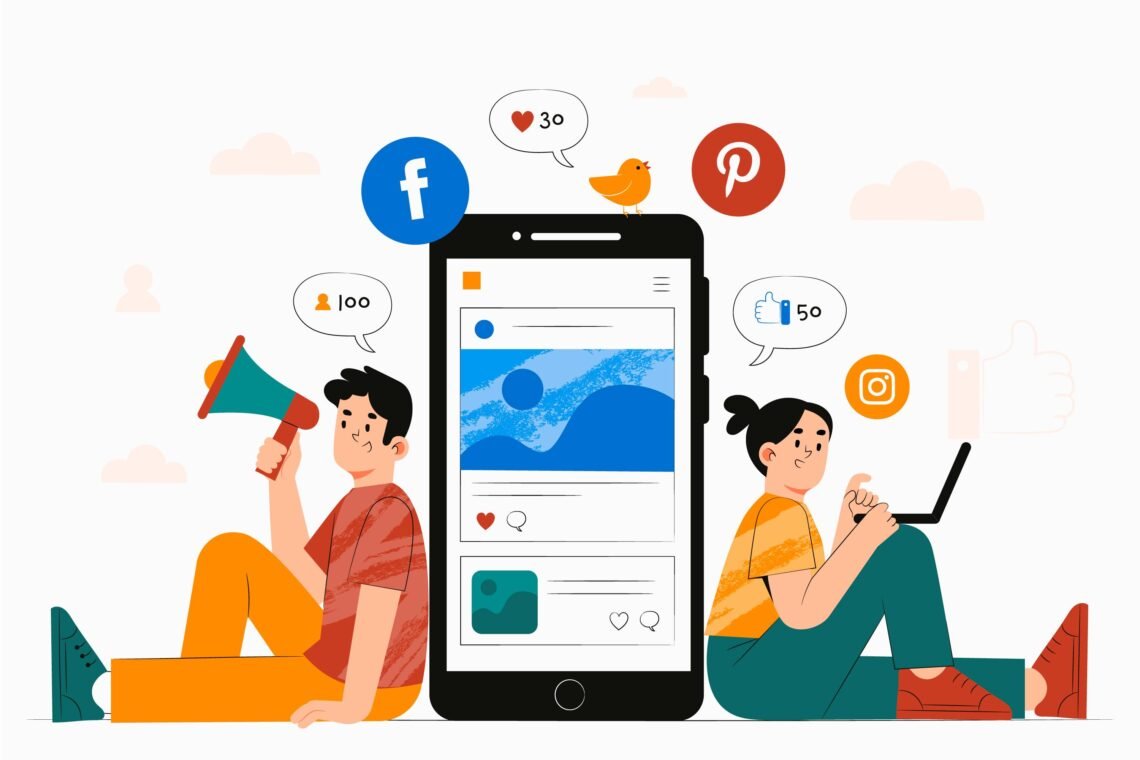
In the digital landscape of 2026, we have built a beautiful, terrifying machine. We call it “the feedback loop.” We feed it our attention, and it feeds us validation in return. This machine is highly efficient. It operates with a simple, seductive promise: “If you show me, I will show you that you matter.” Consequently, we have created a world where everything is for display. Nothing is truly private. This includes our deepest interests and our most cherished hobbies. We are witnessing the feedback loop prison—a digital reality where the simple act of creating for oneself has become a rare, rebellious act.
The Neurochemistry of External Validation
The feedback loop works because it exploits our brain’s reward system. It targets our base instinct for social belonging. When we post a picture of a painting we made or a song we wrote, we are not just sharing. We are seeking. The brain anticipates the “reward”—a “like,” a “comment,” or a “share.” Consequently, when the reward arrives, it releases a hit of dopamine, the neurochemical responsible for pleasure and motivation. Therefore, we have become biological puppets. We perform a specific behavior to receive a chemical hit. We do it again and again.
This chemical dependency subtly rewires our motivation. We no longer ask ourselves, “Is this painting good?” Instead, we subconsciously ask, “Will this painting get likes?” We have outsourced our self-worth to a numerical algorithm. We have traded the intrinsic joy of the creative process for the fleeting pleasure of external validation. The “why” behind our passion shifts from personal expression to public consumption. We have entered the feedback loop prison where our motivation is no longer our own.
The Censorship of the Crowd
When we create for an audience, we inevitably start to perform for them. The feedback loop acts as a type of collective, silent censor. We quickly learn which aspects of our personality or creativity receive the most “likes.” Consequently, we amplify those parts and diminish others. We create a “curated version” of our interests. We only show the polished, successful moments. This process stifles experimentation and kills authenticity. We become afraid of a “flop”—a post that receives no engagement. Therefore, we stick to what works. We become repetitive.
[Image showing the effect of conformity on personal expression in social networks]
This crowd-sourced censorship is the true death of the secret passion. A “secret passion” is allowed to be messy. It is allowed to fail. It is a space where you can be truly “bad” at something without shame. The secret passion is a vital sanctuary for human growth and exploration. The feedback loop prison, however, demands constant perfection. It turns our sanctuaries into stages. It forces us to perform our hobbies instead of simply living them. We are always “on,” even when we are alone. We have forgotten how to be our own best audience.
Breaking the Loop through Intentional Secrecy
Escaping the feedback loop prison requires a radical act of rebellion. It requires us to cultivate “intentional secrecy.” We must reclaim the right to have a private self.
- Practice “Zero-Validation” Projects: Start a creative project that you will never share online. This might be a private journal, a garden, or a piece of music. The sole purpose must be the joy of creation.
- Observe your Motivations: When you feel the urge to share something, pause. Ask yourself: “Why do I want to show this?” Is it to inspire others, or is it to confirm your own value?
- Silence the Digital Mirror: We must create periods of digital silence. Designate “analog zones” in your home where screens are not allowed. Silence allows your true, unperformed self to emerge.
- Focus on Process, Not Product: Fall in love with the grueling, unpolished moments of the creative process. The true reward is the ground you have already covered, not the polished product that receives the applause.
The digital age has given us the tools to communicate. However, it is our responsibility to ensure we are actually connecting. By recognizing the limitations of our screens and the infinite value of our physical presence, we can bridge the gap between being “followed” and being truly known. We can finally escape the feedback loop prison and rediscover the messy, beautiful joy of a passion that is only for us.